Fly-tipping is a serious issue in the UK – but despite hefty fines and even potential prison sentences for offenders, it’s also a common problem, with one instance of fly-tipping reported once every 27 seconds in England.
Thank you for reading this post, don't forget to subscribe!It’s not just an eyesore for residents, but it also costs local councils millions of pounds a year to resolve.
Click or scroll through and let’s explore the most severely affected areas…
Who is likely to fly-tip?
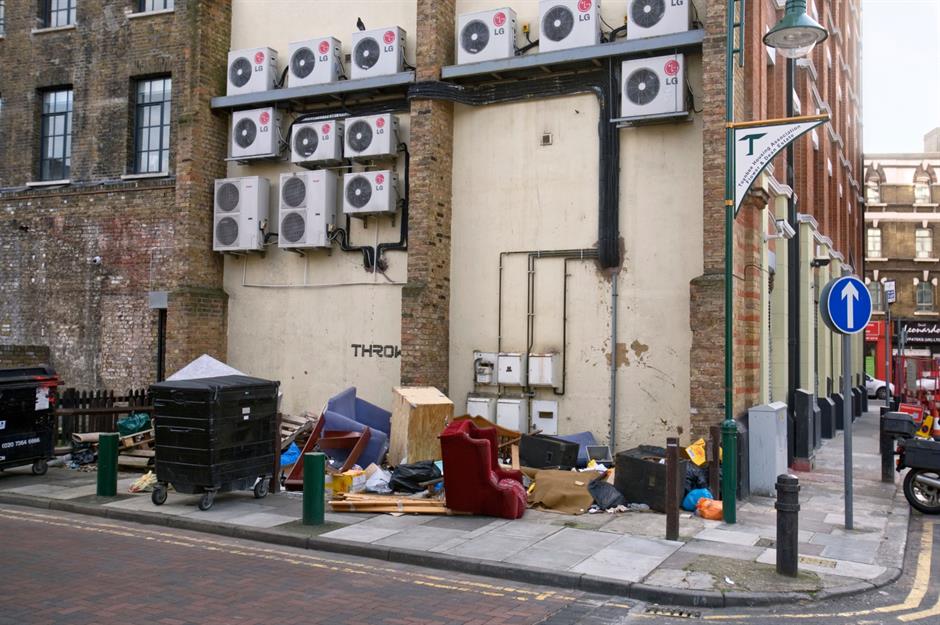
Fly-tipping is classified as the illegal disposal of household, industrial and commercial waste. London lettings and estate agent Benham and Reeves analysed the latest government figures on the annual number of fly-tipping incidents across every local authority in England, in the period between April 2023 to March 2024.
It found that, by far, Londoners are the worst offenders. London boroughs accounted for eight of the worst 10 fly-tipping local authorities. The problem increased by over 6% compared to the previous year, with over 1.1 million incidents taking place.
What are the most commonly fly-tipped items?
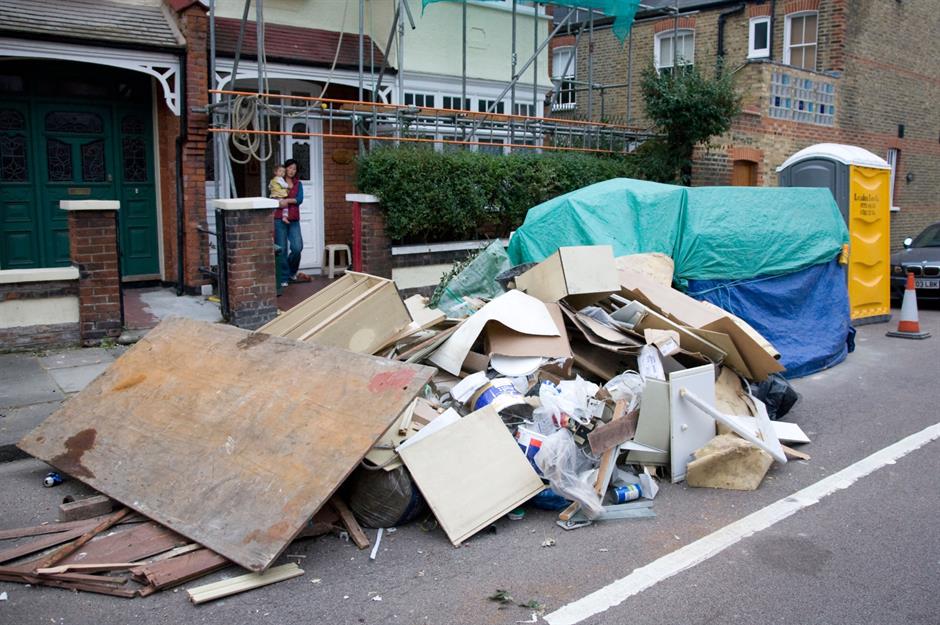
60% of fly-tips over the same period involved household waste. Commonly dumped items include fridges, freezers, mattresses and sofas. Other frequently seen items include black bin bags of rubbish left next to bins.
Commercial waste is also common, such as building waste like wiring, carpets or bricks. Householders are legally responsible for disposing of waste safely, and can face a fine if they’ve entrusted the disposal of their rubbish to an irresponsible waste carrier.